Source Seaweed Soap for Skin Care, Cleaning, and Gifting
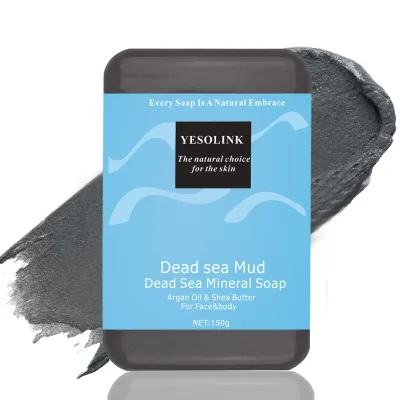
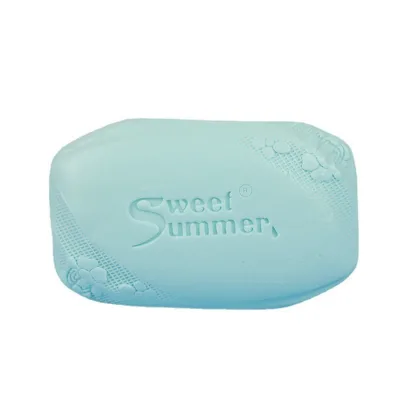
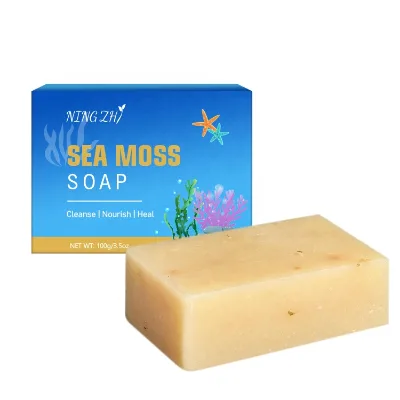
Find 30 seaweed soap listings from China. Compare herbal bar soap options for all skin types, noting features like basic cleaning and 3-year shelf life. Source reliable suppliers for bulk orders; compare the available evidence and request quotations based on your requirements.
Key considerations
Products List







Comprehensive Sourcing Guide
Seaweed Soap Sourcing Guide
Sourcing seaweed soap requires a clear distinction between cosmetic personal care items and agricultural inputs, as the term often appears in mixed B2B catalogs. Buyers must first define whether the procurement goal is for skin care formulations or soil amendment products. The observed market signals indicate a significant overlap in terminology, with some listings describing bar soaps for adult skin types while others detail granular fertilizers derived from seaweed extracts. This ambiguity necessitates rigorous keyword filtering and direct supplier clarification to avoid purchasing the wrong product category.
Procurement teams should prioritize suppliers who explicitly separate their cosmetic and agricultural lines. For soap procurement, focus on manufacturers in Guangdong, China, where personal care production is concentrated. Verify that the product description aligns with cosmetic standards, such as herbal ingredients and suitability for all skin types. Conversely, if the intent is agricultural, look for products from Qingdao with specifications like fulvic acid content or specific granular sizes. Misinterpreting these origins can lead to significant logistical and compliance errors, making precise categorization the first critical step in the sourcing process.
Product Scope and Observed Listing Signals
The current market landscape for seaweed-based products shows a wide variance in physical forms and intended uses. Observed listings include bar soaps with herbal ingredients designed for basic cleaning, alongside granular organic fertilizers intended for soil improvement. Buyers must carefully examine product attributes such as state, color, and appearance to ensure alignment with their specific needs. For instance, cosmetic soaps are typically described by their style and skin compatibility, whereas agricultural products are defined by their chemical character, moisture content, and granular size.
Price and minimum order quantity (MOQ) ranges further illustrate this diversity, with observed prices spanning from low-cost items to high-value specialized inputs. MOQs vary significantly, reflecting the different production scales for consumer goods versus bulk agricultural supplies. Buyers should note that some products offer customization options, allowing for tailored packaging or specific ingredient concentrations. Understanding these signals helps in filtering suppliers effectively, ensuring that the procurement team engages with vendors who can meet the specific volume and specification requirements of the project.
Technical Specifications to Verify
When evaluating seaweed soap, verify the ingredient composition and physical properties to ensure product quality and safety. Key specifications to confirm include the presence of herbal ingredients, the pH balance suitable for skin, and the shelf life of the final product. For cosmetic applications, ensure the soap is labeled for all skin types and check for any specific cleaning features. In contrast, if sourcing seaweed-derived agricultural products, verify the seaweed extract percentage, moisture levels, and granular size to guarantee efficacy in soil application.
Packaging and storage requirements are also critical technical considerations. Confirm whether the supplier offers customized packaging solutions or adheres to standard industry formats. For granular products, check the bag weight and material durability to prevent moisture ingress during transit. Additionally, verify the product model numbers and origin details to trace the supply chain accurately. Ensuring these technical details are documented in the purchase order prevents discrepancies upon delivery and supports consistent quality control across batches.
Compliance and Safety Documentation
Regulatory compliance is paramount when importing seaweed soap, particularly for cosmetic use. Buyers must request relevant safety data sheets and ingredient lists to ensure adherence to destination market regulations. While some agricultural products may carry certifications like ISO or OMRI, cosmetic soaps require different documentation, such as cosmetic product safety reports. Verify that the supplier can provide evidence of compliance with local health and safety standards, including any restrictions on specific herbal additives or preservatives.
Certification status should be clearly documented and verified before finalizing any purchase agreement. Check if the supplier holds valid ISO certifications for their manufacturing processes, which indicates a commitment to quality management systems. For organic claims, ensure that any organic certifications are current and recognized in the target market. Avoid relying on generic claims without supporting documentation, as non-compliance can lead to customs delays or product recalls. Always request copies of certificates and validate their authenticity with the issuing bodies.
Cost Drivers and Commercial Terms
Several factors influence the final cost of seaweed soap, including raw material sourcing, manufacturing complexity, and packaging requirements. Herbal ingredients and specialized seaweed extracts can increase production costs, while bulk granular fertilizers may benefit from economies of scale. Buyers should negotiate based on volume tiers, as MOQs can significantly impact unit pricing. Additionally, customization options, such as private labeling or unique packaging designs, may incur additional fees that should be factored into the total cost of ownership.
Payment terms and lead times are essential commercial considerations that affect cash flow and inventory management. Discuss payment structures, such as deposits and balance payments, to align with the supplier’s financial policies. Clarify lead times for production and shipping, especially during peak seasons, to avoid stockouts. Incoterms should be clearly defined to determine responsibility for shipping and insurance costs. Understanding these commercial terms helps in budgeting accurately and maintaining a stable supply chain relationship with the supplier.
Supplier Qualification and Quality Control
Supplier qualification involves assessing manufacturing capabilities, quality control processes, and past performance. Request factory audits or third-party inspection reports to verify production standards and hygiene practices. For cosmetic soaps, ensure that the facility follows Good Manufacturing Practices (GMP) to prevent contamination. For agricultural products, verify the consistency of raw material sourcing and processing methods. A qualified supplier should demonstrate a robust quality management system that ensures product consistency and reliability.
Quality control measures should be established before production begins, including pre-shipment inspections and sample approvals. Define clear acceptance criteria for product attributes such as color, texture, and ingredient concentration. Implement a sampling plan to test random batches for compliance with specifications. Establish a communication channel for addressing any quality issues promptly. Regular performance reviews and feedback loops help maintain high standards and foster a collaborative relationship with the supplier, ensuring long-term supply chain stability.
Long-Term Procurement Checks
Long-term procurement success depends on continuous monitoring of supplier performance and market trends. Regularly review supplier metrics, such as on-time delivery rates, defect rates, and responsiveness to issues. Conduct periodic audits to ensure ongoing compliance with quality and safety standards. Stay informed about changes in regulatory requirements for seaweed-based products, especially in cosmetic and agricultural sectors. Proactive engagement with suppliers helps in anticipating potential disruptions and adapting to market shifts effectively.
Develop contingency plans for supply chain risks, such as raw material shortages or logistical delays. Diversify the supplier base where possible to reduce dependency on a single source. Maintain open communication channels to facilitate quick resolution of any emerging issues. Regularly update procurement strategies based on performance data and market analysis. By implementing these long-term checks, buyers can ensure a resilient and efficient supply chain, supporting sustainable growth and operational excellence in the procurement of seaweed soap and related products.
FAQs
What is the chemical character of the seaweed fertilizer?
The product exhibits a chemical neutral character, making it safe for diverse soil types. This formulation ensures physiological neutrality on soil, preventing acidification or alkalization issues during application on fruits, flowers, and vegetables.
Can the seaweed fertilizer be customized for specific needs?
Yes, customization is available for this commercial organic fertilizer. Buyers can request specific packing arrangements according to their needs, and the product standard can also be adjusted to meet particular client requirements or regional standards.
What is the validity period of the seaweed organic fertilizer?
The product offers quick acting validity for immediate nutrient delivery. Some variants provide long-term benefits, while others are slow-acting to ensure sustained soil improvement. The shelf life is confirmed to be three years under proper storage.
Which certifications does the seaweed fertilizer product hold?
The product holds OMRI and ISO certifications, ensuring compliance with organic and quality standards. These credentials verify the product as a commercial organic fertilizer derived from seaweed, suitable for professional agricultural applications across various crop types.
How is the seaweed fertilizer packaged and shipped?
Packaging is flexible and can be arranged according to client requests or standard 20kg bags. The product originates from Qingdao, China, and is available in powder or granular states with moisture levels maintained between 2 to 5 percent for stability.
What is the water solubility of the seaweed extract product?
The seaweed extract product features 100 percent water solubility for efficient application. This high solubility ensures rapid nutrient uptake by plants, supporting the quick acting validity and making it ideal for foliar sprays or soil drenching methods.
What are the physical properties of the granular seaweed fertilizer?
The granular form appears black with a granular size ranging from 2mm to 4mm. It maintains a pH level between 6.0 and 8.0, ensuring it remains chemically neutral and safe for direct application to improve soil health effectively.
Can the seaweed soap be used on all skin types?
Yes, the herbal bar soap is formulated for all skin types. It features basic cleaning properties and is designed for adult use, offering a gentle yet effective cleansing experience suitable for daily hygiene routines without causing irritation.